
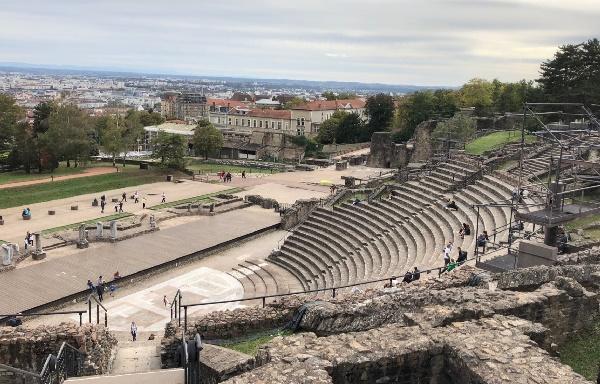
The Roman Ruins Theatres of Fourvière give visitors a direct look into Lyon’s ancient past. The site is open, spacious, and easy to explore at your own pace. It’s one of those places where you immediately understand how long Lyon has been a cultural center. The setting is calm, and the views across the hill make the visit feel relaxed and unhurried.
This post may contain affiliate links at no extra cost to you, I may earn a small commission. It helps keep this blog running and lets me share free, helpful content. All opinions are my own.
History
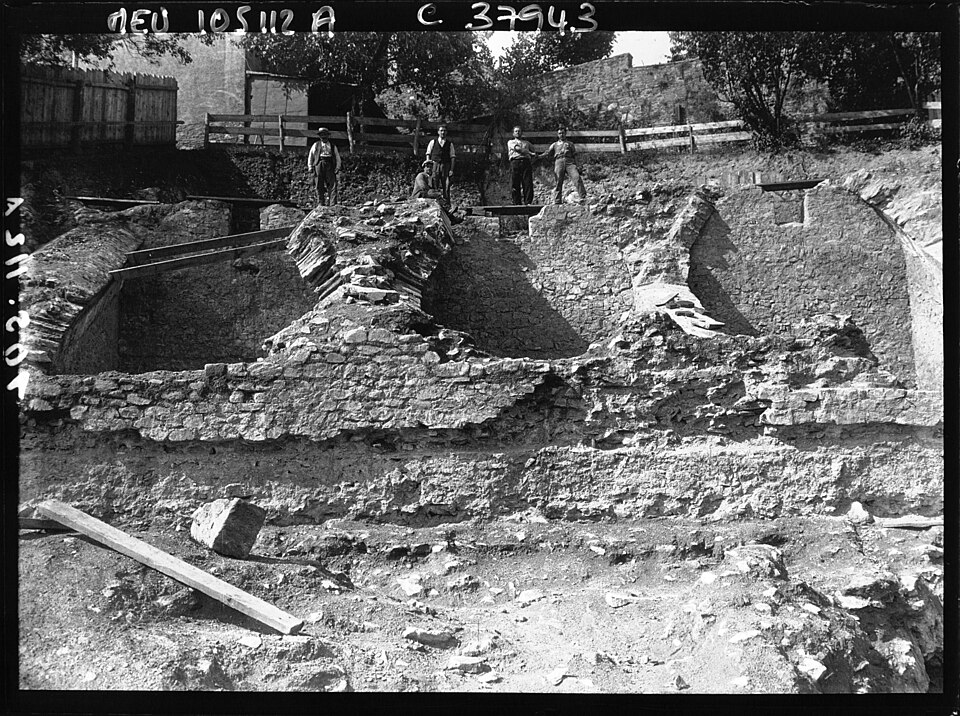
The theatres date back to the 1st century BC, when Lyon (then Lugdunum) was the capital of Roman Gaul. The larger theatre hosted performances and public events, while the smaller odeon was used for music and readings. Over time, the structures were buried and forgotten, only to be rediscovered and restored in the 20th century. Today, they’re among the most important Roman remains in France and still host performances during the Nuits de Fourvière festival.
Facts about the Roman Theatres of Fourvière
1. They’re the oldest Roman monuments in Lyon
Built in the 1st century BCE and expanded under the Roman Empire, the two theatres sit on the hillside of Fourvière overlooking the city.
2. The larger theatre could seat around 10,000 spectators
It hosted plays, political gatherings, and public ceremonies during Lugdunum’s peak as the capital of Roman Gaul.
3. The smaller Odeon was dedicated to music and poetry
More intimate and richly decorated, it was used for concerts, poetry readings, and cultural gatherings.
4. Much of the site was rediscovered in the 20th century
Centuries of landslides and construction had buried the theatres until major archaeological work brought them back to light.
5. Today the site hosts the Nuits de Fourvière festival
Every summer, the ancient stones become a stage again for concerts, theatre, and dance.
What to See
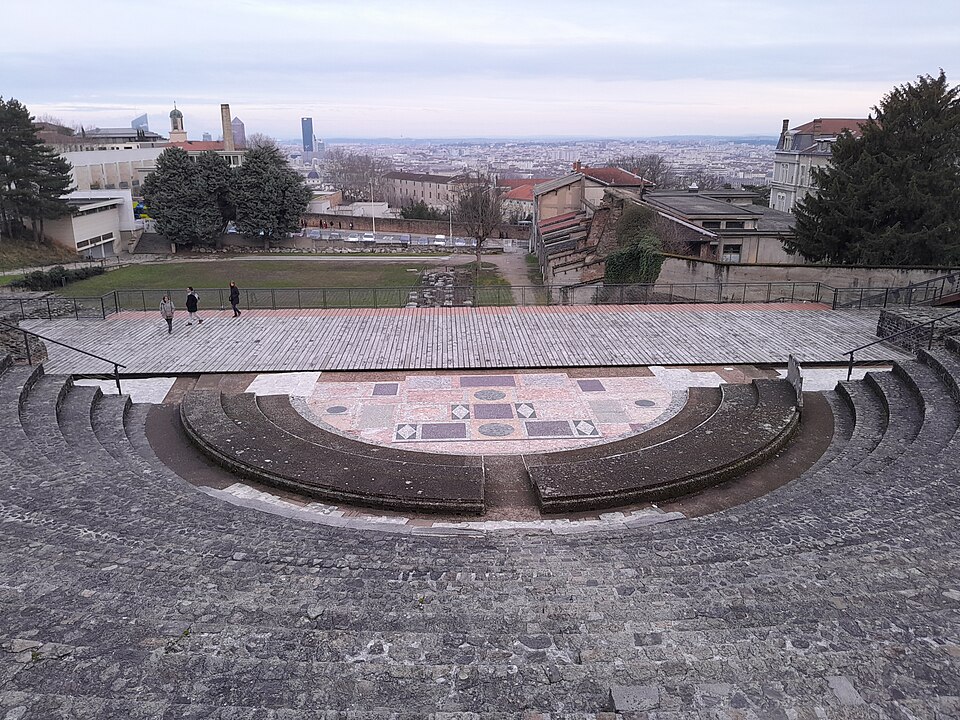
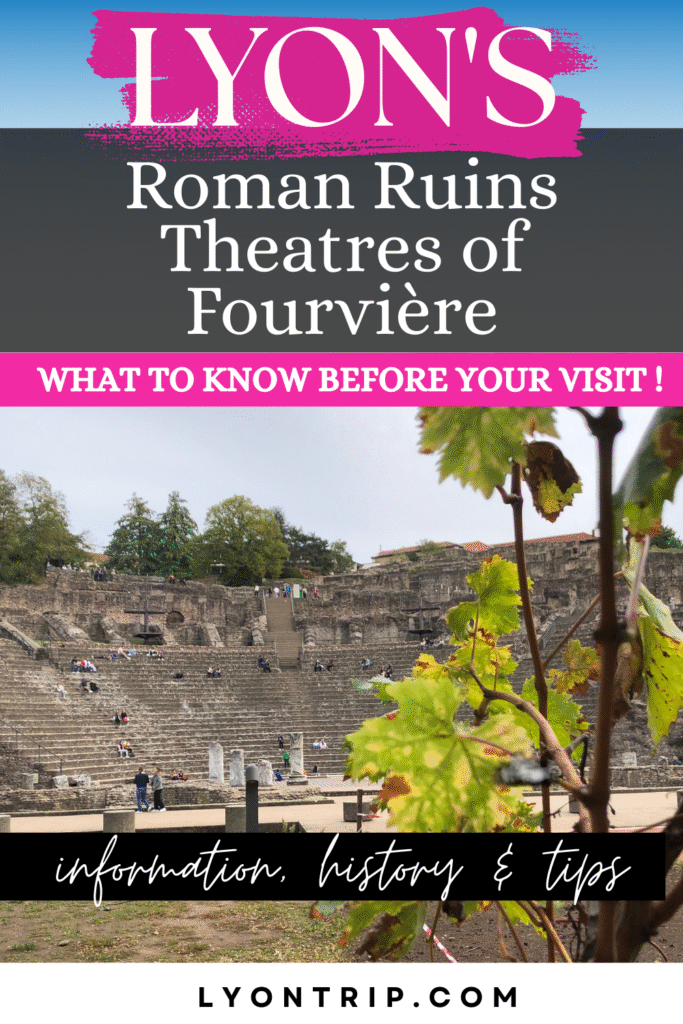
• The large theatre with its wide seating area and restored stage
• The smaller odeon, known for its patterned stone flooring
• The panoramic views from the upper seating rows
• The pathways connecting the theatres to the Gallo‑Roman Museum
• The open spaces where visitors can walk freely through the ruins
How to Get to the Roman Ruins Theatres of Fourvière
The easiest route is the funicular from Vieux Lyon. Take Funicular F2 from Vieux Lyon – Cathédrale Saint‑Jean to Minimes – Théâtres Romains. The station is just a short walk from the entrance.
Walking from Vieux Lyon is possible but steep. The path through the gardens behind Fourvière is scenic and leads directly toward the site.
Driving is possible, but parking is limited and often full during events.
How Long to Spend
Most visitors stay 30 minutes to 45 minutes, depending on how much time they spend exploring the seating areas and walking between the two theatres.
Practical Info
• Address: 17 Rue Cléberg, 69005 Lyon
• Entry: Free
• Opening Hours: Open daily; hours vary by season
• Tours: See optional tours
• Nearby Sites: Gallo‑Roman Museum, Basilica of Fourvière, Vieux Lyon
Insider Tips
• The upper seating rows offer the best views and are usually quiet.
• The site can be slippery after rain. Wear shoes with good grip.
• Combine the visit with the Gallo‑Roman Museum for a deeper understanding of the site.
• If visiting in summer, go earlier in the day to avoid the heat on the stone seating.
Have You Seen…
Found this post on Roman Ruins Theatres of Fourvière helpful? Pin it now read it later.
Save or Share!