
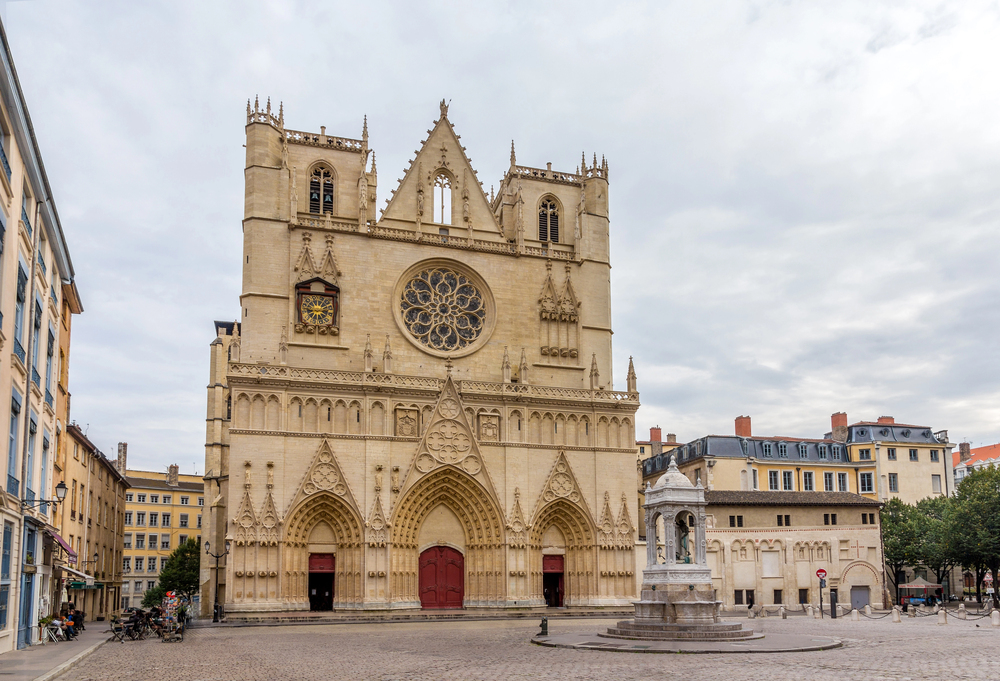
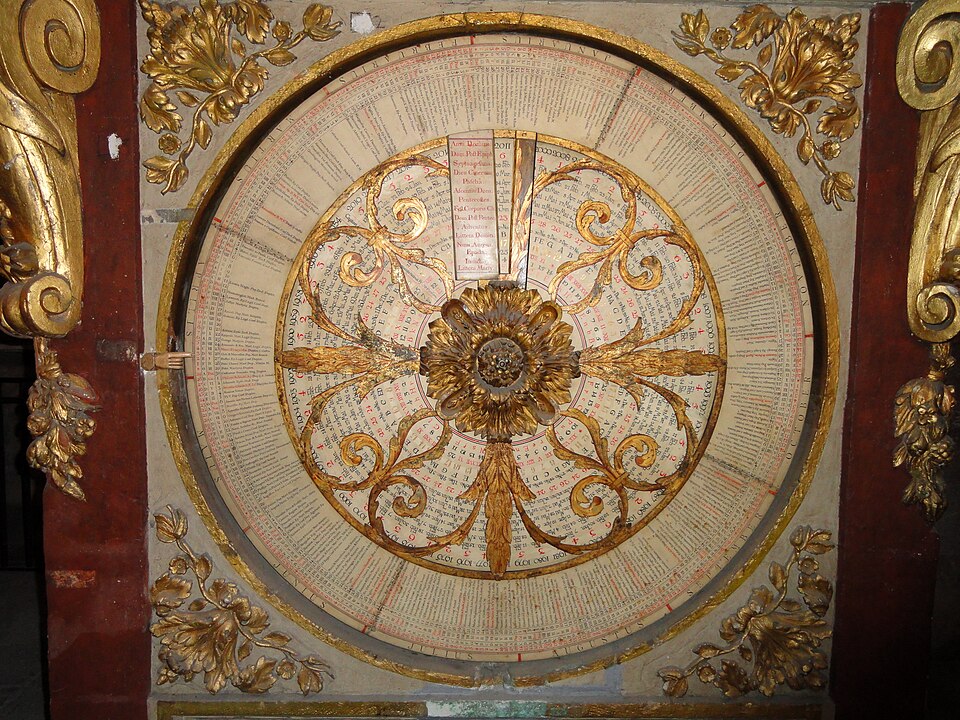
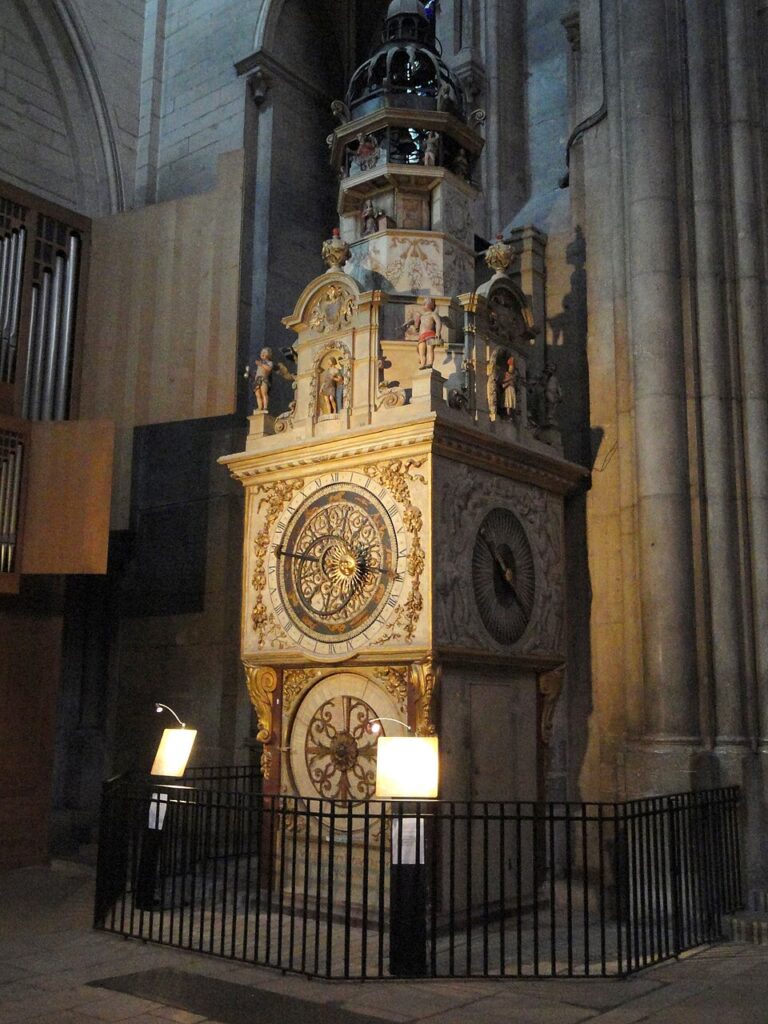
Saint‑Jean Cathedral is one of the key landmarks in Vieux Lyon, known for its mix of Gothic and Romanesque architecture. It’s easy to visit while exploring the old town, and the interior feels calm compared to the busy streets outside. The cathedral is also home to one of Lyon’s most interesting features: a 14th‑century astronomical clock that draws visitors throughout the day.
This post may contain affiliate links at no extra cost to you, I may earn a small commission. It helps keep this blog running and lets me share free, helpful content. All opinions are my own.
History
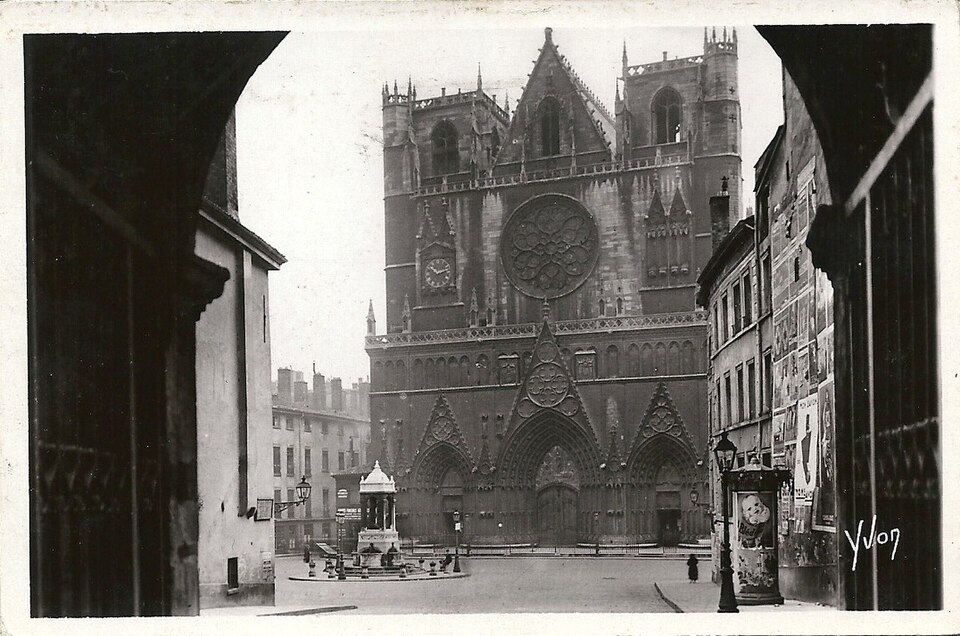
Construction of Saint‑Jean Cathedral began in the 12th century and continued for several hundred years, which explains the blend of architectural styles. It served as the seat of the Archbishop of Lyon and played an important role in the city’s religious life. The astronomical clock was added in the 1300s and remains one of the oldest functioning examples in Europe. The cathedral has undergone several restorations, especially after damage during the French Revolution.
Facts about the Saint Jean Cathedral
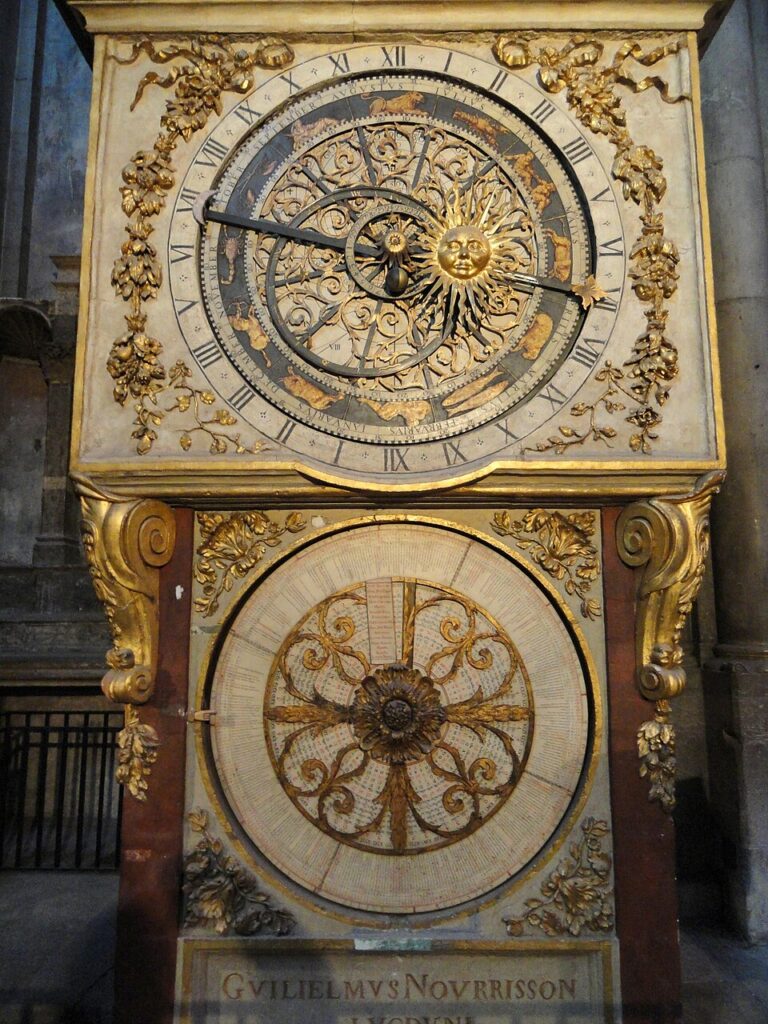
1. It contains one of the oldest working astronomical clocks in Europe
Built in the fourteenth century, the clock tracks solar time, lunar cycles, and the position of the stars. Its mechanism is so advanced for its era that specialists still study it today.
2. The cathedral was built on top of earlier Christian buildings
Archaeological studies show that Saint Jean stands on the remains of a fifth century church and a Carolingian cathedral. The site has been a center of Christian life in Lyon for more than fifteen centuries.
3. The Primatiale was the seat of powerful archbishops who acted as princes
During the Middle Ages, the Archbishop of Lyon held the title of Primate of the Gauls, giving him authority over a large part of the French Church. His influence shaped both the cathedral and the city.
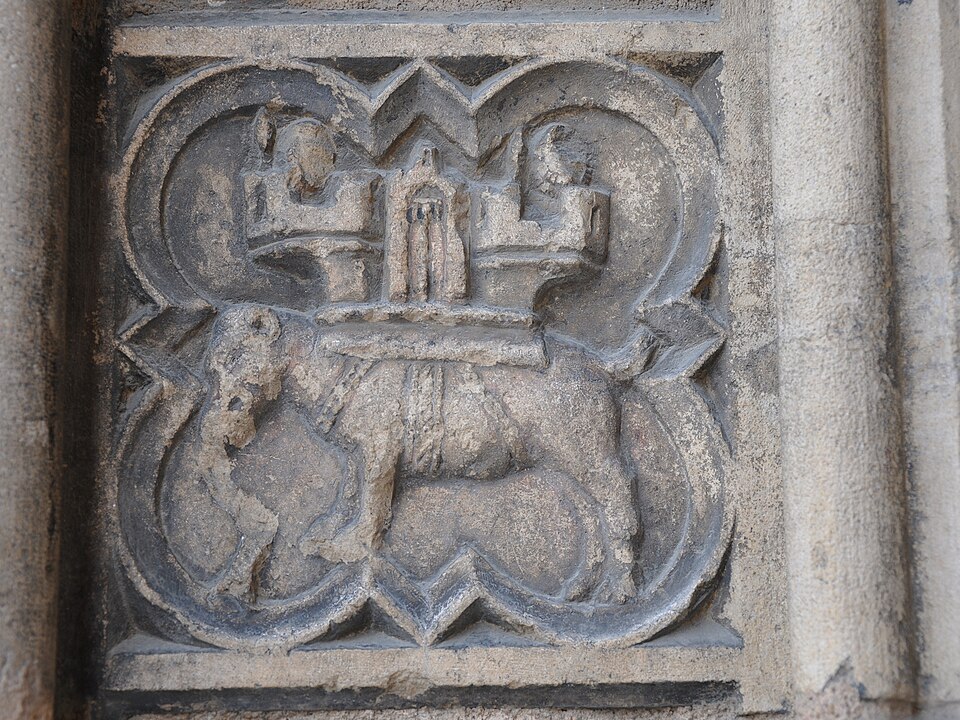
4. The façade is decorated with more than three hundred carved medallions
These stone medallions represent biblical scenes, symbols, and medieval imagery. Many were damaged during the Wars of Religion, and some were later restored using surviving fragments.
5. The marriage of Henri the Fourth and Marie de Médicis was hosted here
In 1600, the royal wedding brought the French court to Lyon. The event transformed the city for several weeks and remains one of the most important ceremonies ever held in the cathedral.

What to See
• The astronomical clock, which activates several times a day
• The stained‑glass windows, especially those in the choir
• The mix of Romanesque foundations and later Gothic additions
• The peaceful side chapels
• The square outside the cathedral, often filled with street performers and local activity
How to Get to Saint‑Jean Cathedral
The easiest access is Metro D to Vieux Lyon – Cathédrale Saint‑Jean. The station exits directly onto the square in front of the cathedral.
Walking from the Presqu’île across the footbridges is simple.
Driving is not recommended. Streets are narrow, and parking is limited.
How Long to Spend
Most visitors spend 20 to 40 minutes, depending on whether they wait to see the astronomical clock in action.
Practical Info
• Address: Place Saint‑Jean, 69005 Lyon
• Entry: Free
• Opening Hours: Vary by season; generally open daily
• Tours: See optional tours
• Nearby Sites: Vieux Lyon traboules, Saône riverbanks, Fourvière funicular
Insider Tips
• Check the schedule for the astronomical clock so you don’t miss it.
• Mornings are quieter and better for photos.
• The square outside is a good meeting point before exploring Vieux Lyon.
• Combine the visit with a walk through the nearby traboules.
Have You Seen…
Found this post on Saint-Jean Cathedral helpful? Pin it now read it later.


Save or Share!